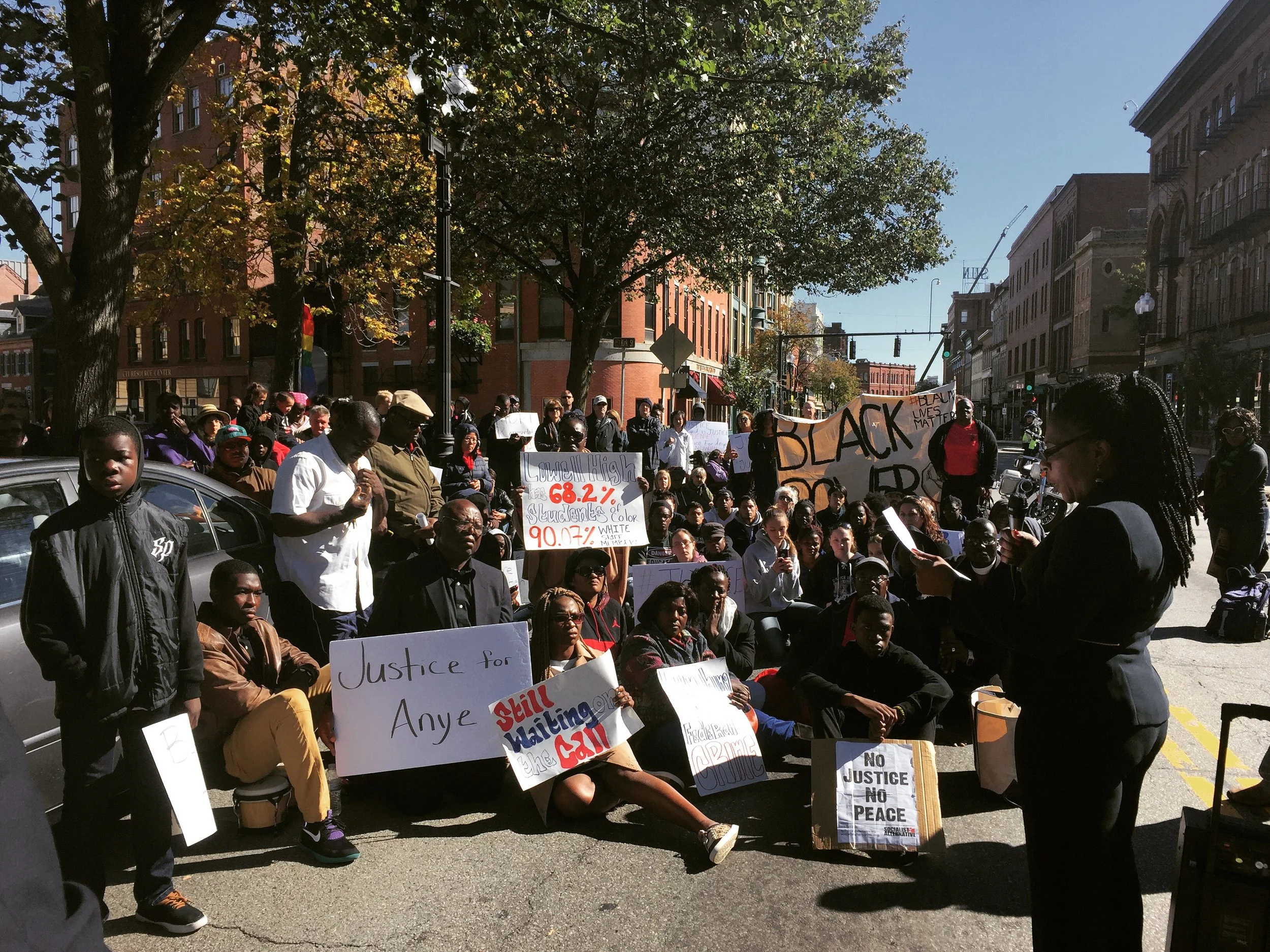
10 years of Black Lives Matter Movement
The Black Response (TBR) was born out of the Black Lives Matter movement. Without BLM, there would be no TBR.
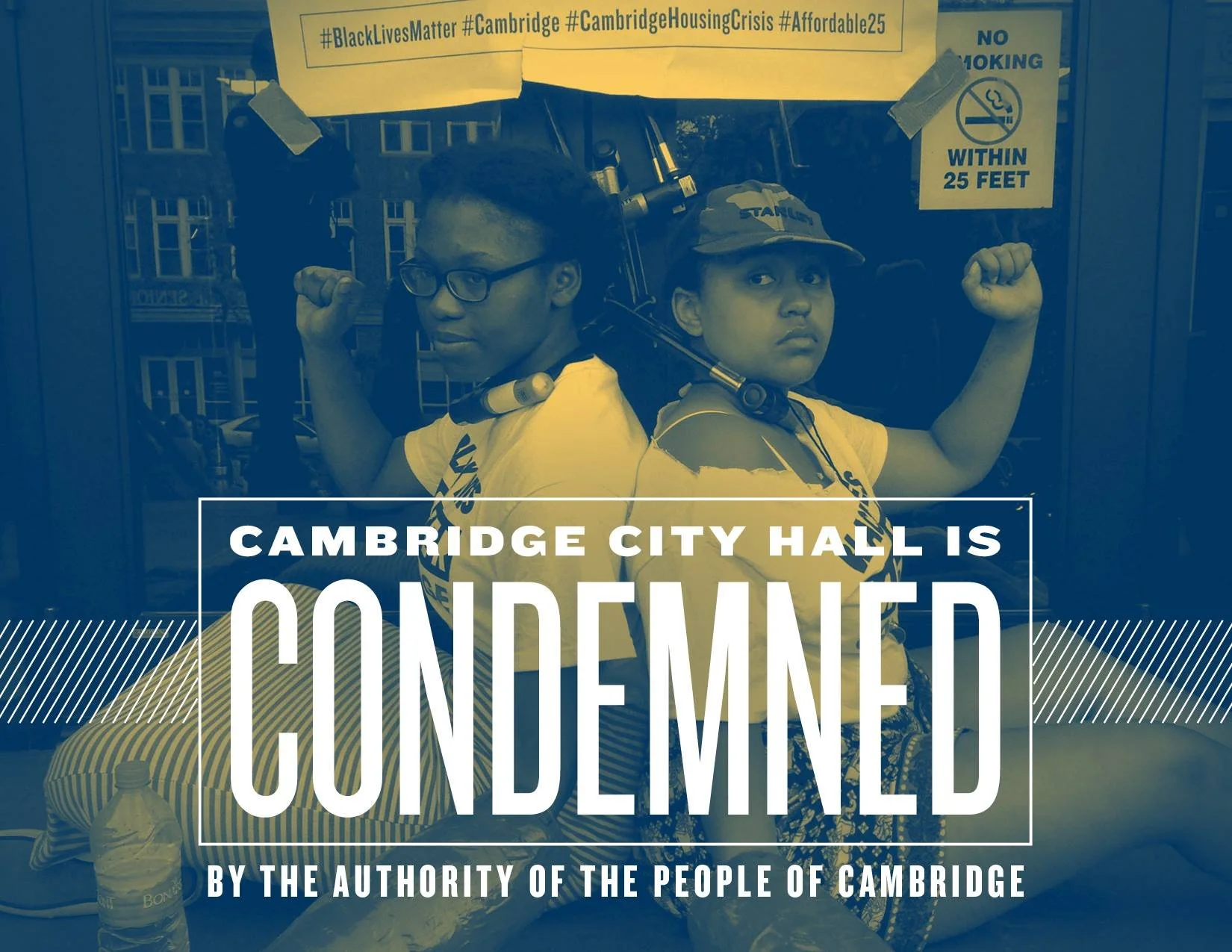
The BLM Era exhibition situates local organizing in Amherst, Boston, Cambridge, Worcester, and Springfield within the broader national and international movement. Together, the exhibition and accompanying events position The BLM Era as both a historical record and a living forum, inviting communities to reflect on how a global movement was experienced, contested, and carried forward within Massachusetts.
On view throughout February 2026 at The Foundry, 101 Rogers St., Cambridge (Kendall Sq.)
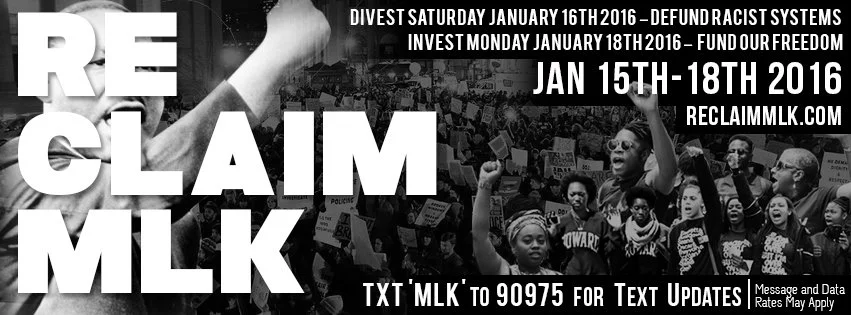
Black History Month 2026 – BLM Era Exhibition
The Black Response (TBR) invites you to take part in a powerful exhibition honoring the Black Lives Matter era. This immersive experience will feature:
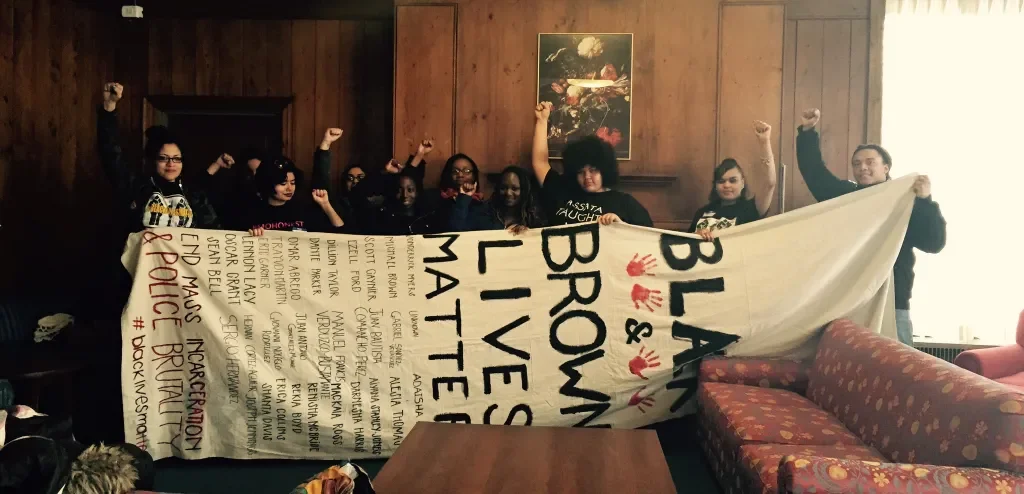
A Wall of Remembrance honoring lives lost and those who fought for justice
A timeline of key events from the movement
Oral histories capturing firsthand accounts and reflections
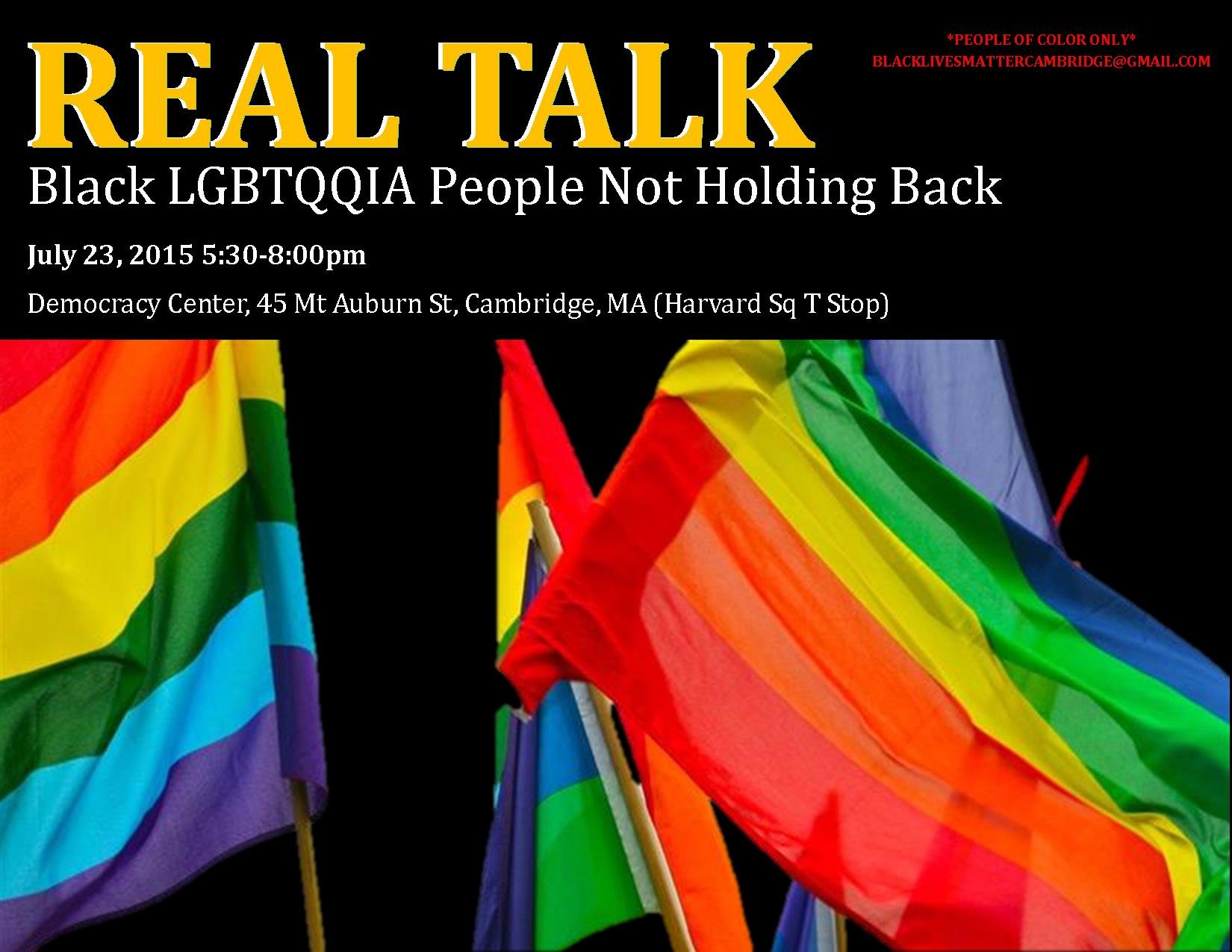
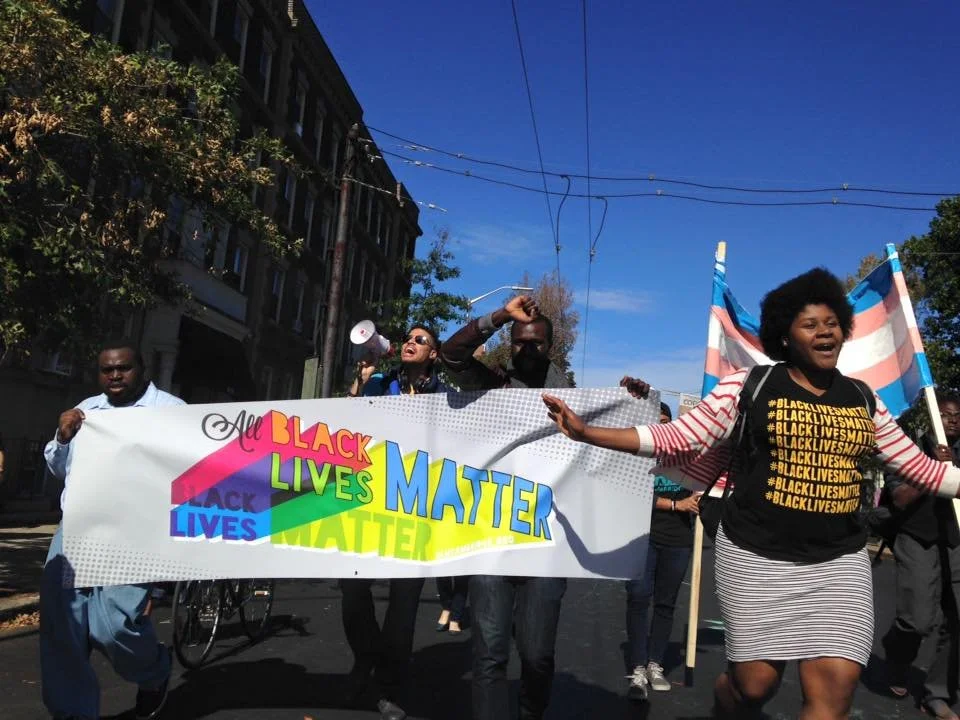
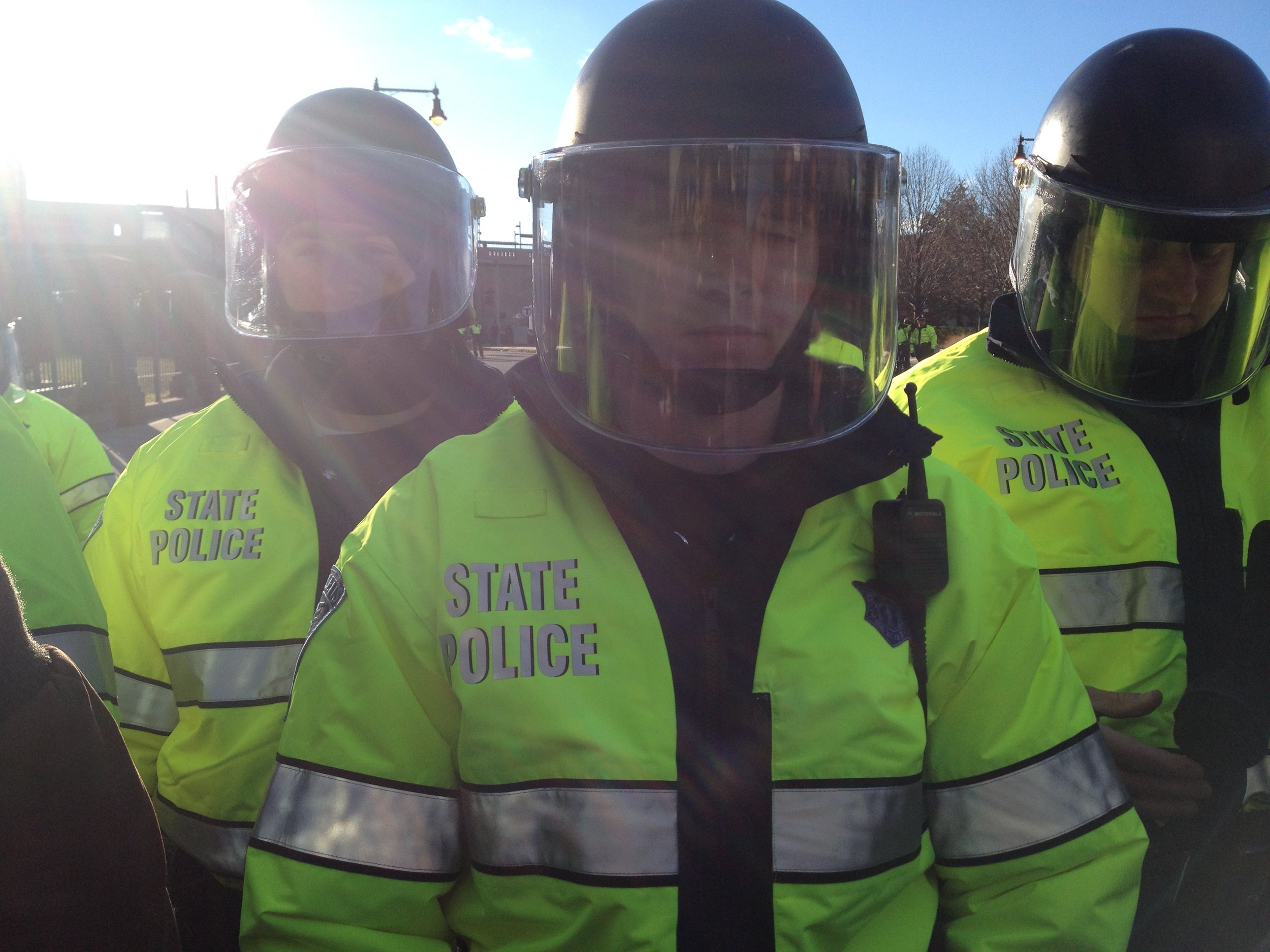
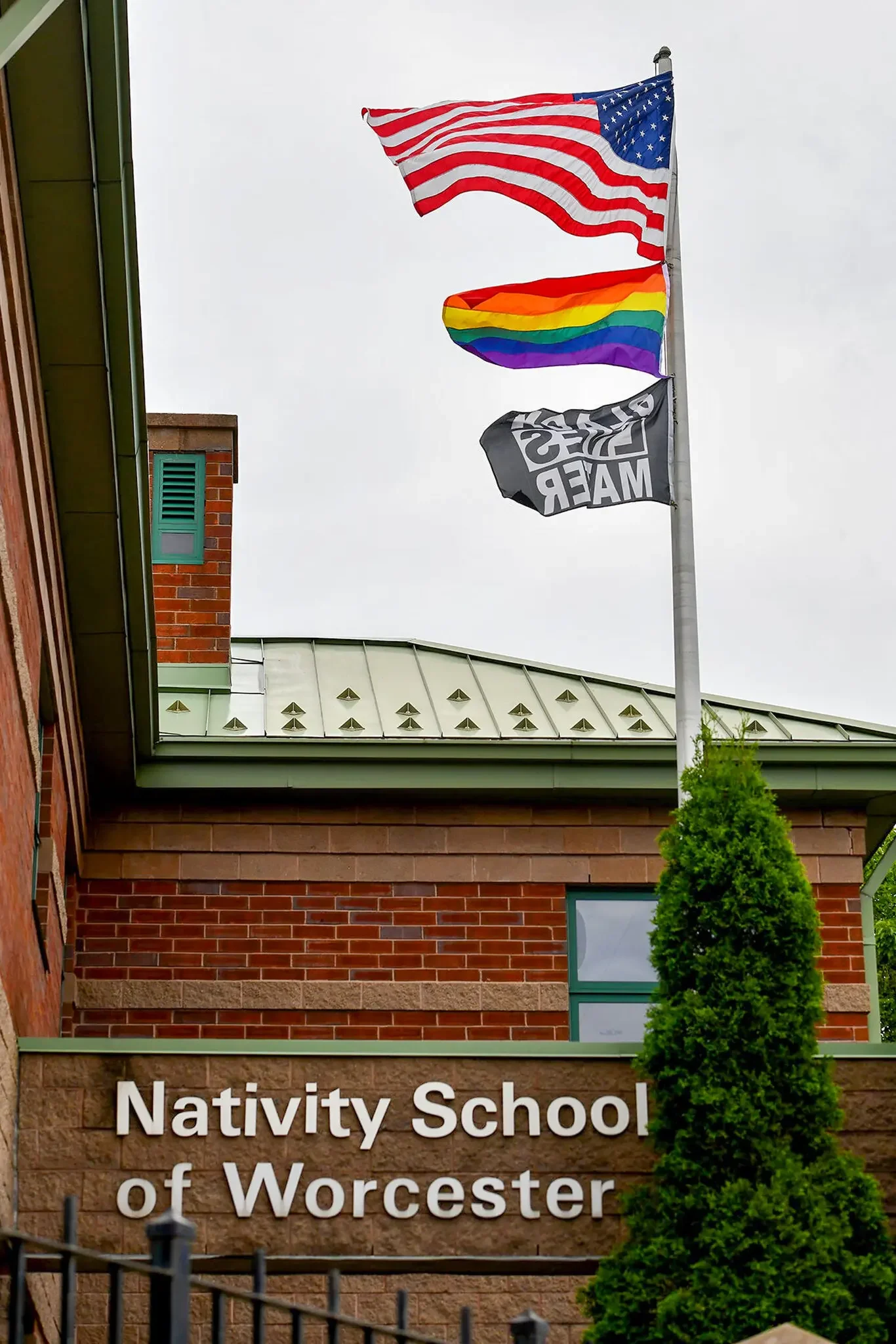
Artifacts from Massachusetts BLM chapters
A community space to reflect on both the contributions and challenges that emerged from the BLM discourse
Grounded in archival research, oral histories, and movement documentation, the project creates space for critical reflection on how grassroots organizing reshaped public discourse around race, policing, democracy, and Black political life in the United States.
The central exhibition presents a chronological and thematic exploration of the Black Lives Matter movement, tracing its origins after the killing of Trayvon Martin, its expansion following police killings in Ferguson, Baltimore, and beyond, and its global visibility after the 2020 uprisings.
Through a focus on Amherst, Boston, Cambridge, Worcester, and Springfield, the exhibition examines how these chapters localized the national movement for racial justice and police accountability. By centering Massachusetts-based chapters and coalitions, the project illustrates how global movement frameworks translated into localized demands, campaigns, and forms of resistance.
Following the close of the exhibition, the full project will be archived, ensuring long-term access to its materials, narratives, and documentation for future research and public engagement. We will compile archival boxes for submission to institutions such as the Library of Congress, Cambridge Historical Commission, Boston Public Library Archives, and the Black Cultural Archives in London.
Community Education Events
Exhibition Opening: February 3, 2026, from 6:00 to 8:00pm
This session brings together organizers and scholars whose work reflects both the local and national dimensions of the movement. Speakers include Martin Henson (formerly) of BLM Boston, Mari Gashaw of BLM Cambridge, Tef Poe, an organizer from Ferguson, and Juliet Hooker, professor at Brown University. Together, they will reflect on organizing during the BLM era and discuss how local struggles in Massachusetts connected to and influenced the broader movement.
Community Debates: February 24, 2026, from 6:00 to 8:00pm
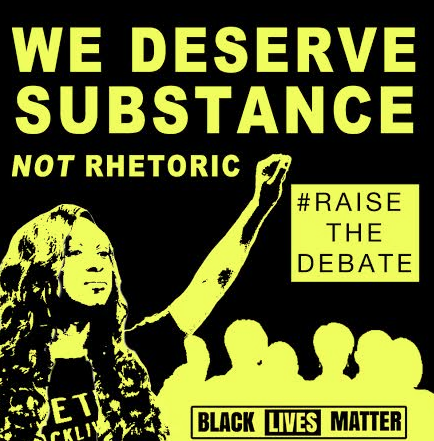
This event will be structured as an Oxford-style debate centered on the statement, “The Black Lives Matter Movement was successful.” Speakers will be assigned positions in advance and asked to argue either in favor of or against the statement, encouraging rigorous analysis and respectful disagreement. The debate is designed to foster public dialogue about the movement’s outcomes, limitations, and long-term significance.
Curated by Stephanie Guirand.
Designed by Roxanne Jingco.
Oral history recordings by Cori Spencer with support from Lhakyi Lokyitsang.
GIS maps designed by Sean Bennett.
Event coordination by Virginia Cuello.